Spring and early summer: catch the basics
With milder weather, it’s a good time to inspect kitchen and living areas for heat damage signs. Check cords and outlets, and ensure there are no frayed wires near appliances. In New Jersey, humidity can affect materials and encourage lingering odors after a fire event. A quick wipe-down of surfaces to remove residue, followed by air flow improvements, reduces the chance of odor sticking around.
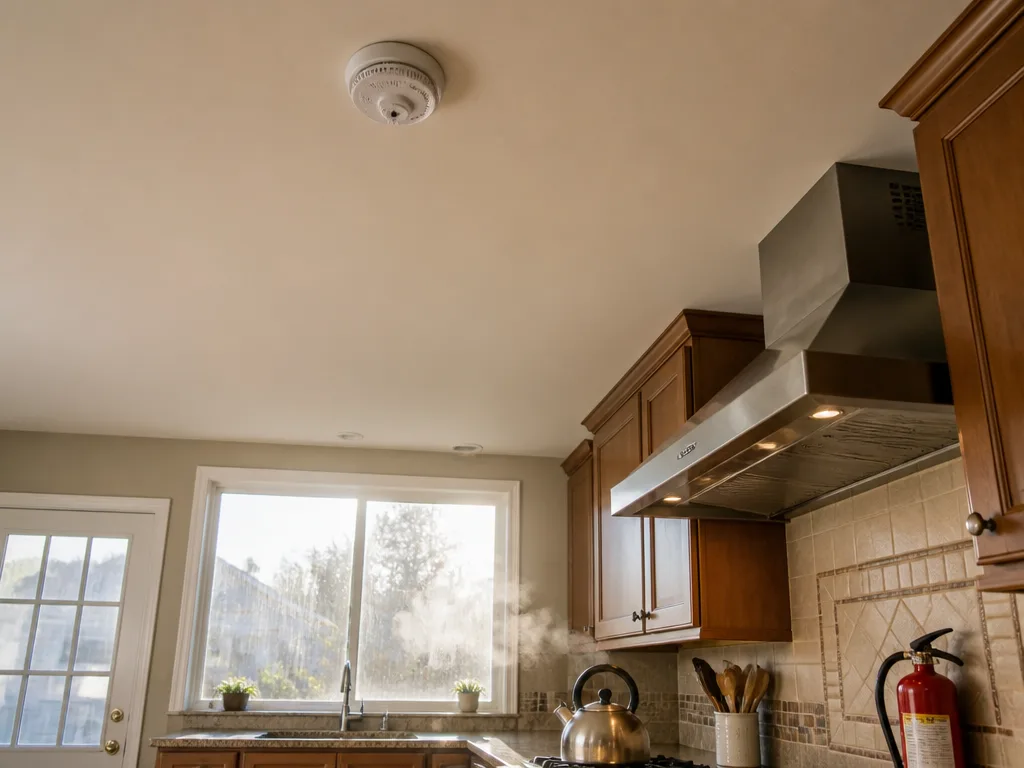
Keep a simple cleaning routine that removes grease from stove hoods and nearby surfaces. A clean kitchen reduces the fuel for small flare-ups and makes it easier when a fire & smoke damage specialist performs an assessment after any incident.
Fall and winter: heating season preparedness
Heating equipment contributes to fire risk in New Jersey homes. Have furnaces, space heaters, and chimneys inspected before the cold months begin. Replace worn cords and follow manufacturer guidelines for use. If you notice soot near vents or pipes, contact a fire & smoke damage specialist before the situation worsens. A statewide team can coordinate a safe prevention plan that fits your home’s design and your schedule.
Create a simple weekly check: look at appliances, confirm clear spaces around heat sources, and replace worn filters. These small steps reduce the chance of smoke residue building up and worsening if a minor fire occurs.
What a statewide approach looks like
Across New Jersey, prevention is about steady routines and knowing when to seek help. Our crews in every New Jersey metro can tailor a prevention plan to your home, accounting for climate, layout, and any prior incidents. If something does go wrong, you’ll have a clear path to safe cleanup and restoration with our fire & smoke damage specialists guiding the process.